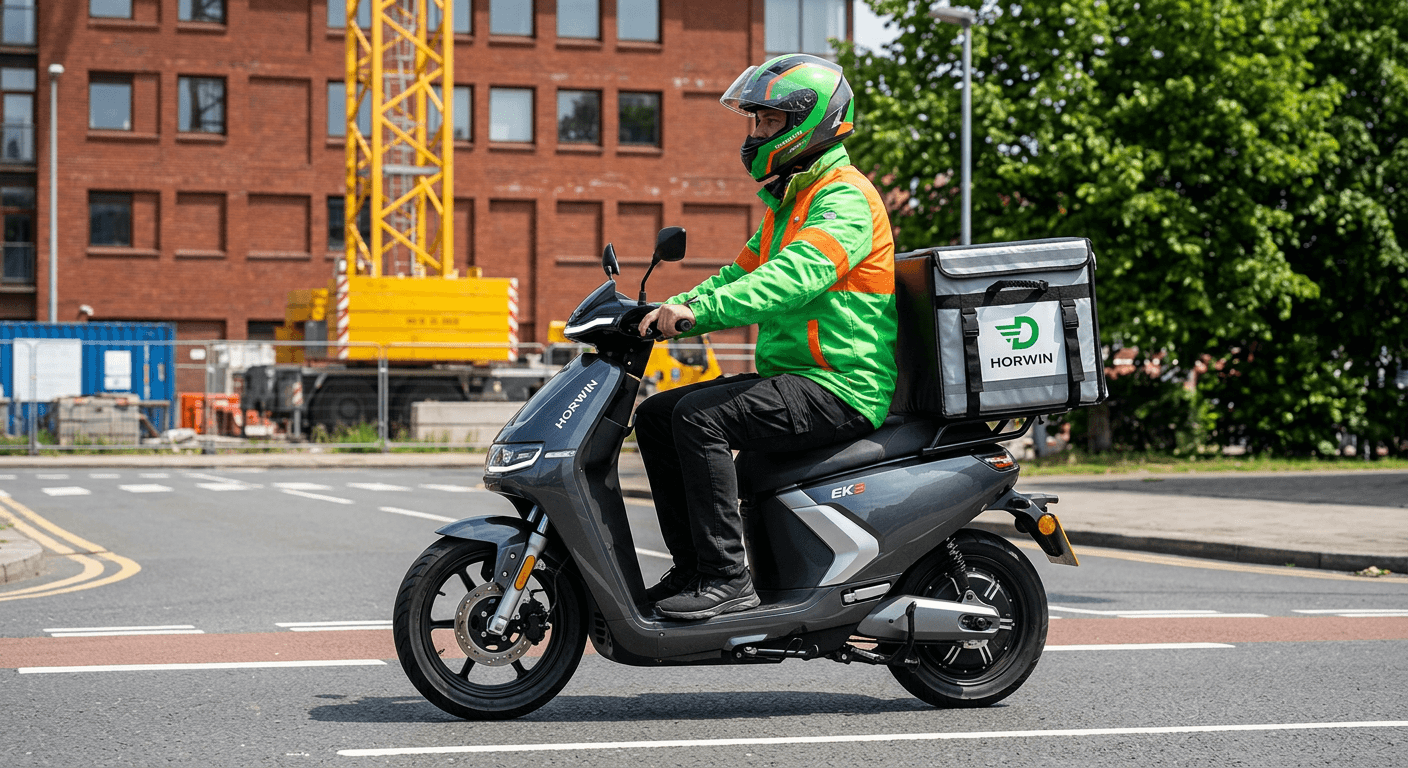
Electric bikes in Pakistan are classified as motor vehicles under the Provincial Motor Vehicles Ordinance (PMVO). Same registration, same licensing, same penalties as petrol motorcycles. No exemptions for being electric.
All four provinces plus Islamabad require registration through their respective Excise and Taxation Departments. NEECA oversees EV certification. PSQCA sets helmet and equipment safety standards.
Registration
Unregistered e-bikes are illegal on public roads. Fines range from PKR 2,000 to PKR 10,000 with possible impoundment. Registered bikes are eligible for PAVE subsidies and have higher resale value.
Eligibility requirements:
- 18 years or older
- Valid CNIC
- Motorcycle driving license or learner's permit
- Proof of purchase from authorized dealer
- EDB (Engineering Development Board) approval certificate
Documents needed:
- Original CNIC plus 2 photocopies
- Purchase invoice (original)
- EDB approval certificate
- Proof of address (utility bill)
- Valid license or learner's permit
- 2 passport-size photos
Registration fees:
| Province | Registration | Number Plate | NADRA Smart Card |
|---|---|---|---|
| Punjab | PKR 2,000–2,500 | PKR 1,000 | PKR 500–800 |
| Sindh | PKR 2,500–3,000 | PKR 1,000 | PKR 500–800 |
| KPK | PKR 2,000–2,500 | PKR 1,000 | PKR 500–800 |
| Balochistan | PKR 2,500 | PKR 1,000 | PKR 500–800 |
Process: Submit documents at nearest Excise and Taxation office. Processing takes 3–7 working days. Punjab, Sindh, and KPK allow online fee payment through provincial portals but physical document submission is still required.
Common mistakes: Unclear CNIC photocopies, missing EDB certificate, outdated fee amounts. One missing document means a second visit.
Licensing
A valid motorcycle driving license or learner's permit is required to ride any electric bike legally. No power or speed exemptions exist.
Learner's permit: Minimum age 18. Requires CNIC, medical certificate, passport photos, and written test. Valid 6 months. Cost PKR 200–500.
Permanent license: Requires learner's permit first, practical riding test, valid 5 years. Cost PKR 1,000–1,500.
Fine for riding without license: PKR 3,000. Higher for repeat offenses.
Enforcement is strict at checkpoints in Lahore, Karachi, and Islamabad. AI cameras do not check licenses but traffic police do at stops.
Traffic Laws
Electric bikes follow identical traffic rules as petrol motorcycles.
Speed limits:
| Road Type | Limit |
|---|---|
| Urban areas | 40–50 km/h |
| Main roads | 60–80 km/h |
| Highways | 100 km/h |
Speed cameras are active in Lahore, Islamabad, Karachi, and expanding.
Fines summary:
| Violation | Fine (PKR) | Additional Penalty |
|---|---|---|
| No helmet (rider) | 2,000–3,000 | License suspension on repeat |
| No helmet (pillion) | 1,000–2,000 | Bike impoundment on repeat |
| No registration | 2,000–10,000 | Bike impoundment |
| No license | 3,000 | Court referral possible |
| Red light violation | 2,000–3,000 | License points deduction |
| Speeding 10–20 km/h over | 2,500 | — |
| Speeding 20–30 km/h over | 5,000 | — |
| Wrong lane | 2,000–4,000 | — |
| Triple riding | 1,000–2,000 | — |
| Mobile use while riding | 2,000 | — |
| Missing number plate | 2,000 | — |
| Fake or modified plate | 3,000–5,000 | Bike impoundment |
Fines verified from Excise and Taxation department sources and Traffic Police portals as of February 2026. Provincial variations apply.
Where e-bikes cannot go: Pedestrian-only zones, footpaths, parks unless designated, and certain highways. Check provincial rules for highway restrictions.
Helmet Laws
Both rider and pillion passenger must wear helmets on all public roads in all provinces. No exemptions based on gender, distance, or riding speed.
What counts as a legal helmet:
- PSQCA certification mark
- Chinstrap properly fastened
- Full-face or open-face design
- No visible cracks or damage
Not acceptable: Fashion helmets without chinstraps, bicycle helmets, construction hard hats, novelty helmets, or any damaged helmet.
Price range for PSQCA-certified helmets: PKR 2,000–8,000.
How violations are detected: Safe City AI cameras in Lahore, Islamabad, Rawalpindi, and Karachi detect helmet violations automatically and issue e-challans without stopping the rider. Traffic police checkpoints conduct manual checks.
Unpaid helmet challans block vehicle registration renewal and accumulate additional penalties.
E-Challan System
Traffic fines are issued electronically through AI cameras, speed cameras, red light cameras, and ANPR (Automatic Number Plate Recognition) systems.
Notification arrives via SMS to the registered mobile number and is accessible through provincial portals using CNIC or vehicle registration number.
Check your challans:
| Province | Portal / App |
|---|---|
| Punjab | psca.gop.pk or ePay Punjab app |
| Sindh | Karachi Safe City Authority portal |
| Islamabad | Islamabad Traffic Police app |
| KPK | KP Police app |
Payment: Online through provincial portals, JazzCash, Easypaisa, or bank apps. In-person at traffic police offices or designated banks.
Unpaid challans accumulate penalties and eventually block vehicle registration.
Insurance
Insurance is not legally required for electric bikes in Pakistan but covers accident liability, medical costs, and theft.
Annual cost: PKR 8,000–15,000 depending on bike value and coverage type.
Available from EFU, Jubilee, TPL, and State Life. Some dealers offer insurance packages at point of purchase.
Safety Practices
Essential gear: Helmet (required by law), riding gloves (PKR 1,500–3,000), riding jacket with abrasion protection (PKR 5,000–15,000), closed-toe shoes, reflective vest for night riding.
Riding practices:
- Maintain extra braking distance — e-bikes accelerate instantly but stopping distance increases with load
- Use headlight and taillight even during daytime
- No phone use including at red lights — PKR 2,000 fine
- Avoid waterlogged roads during monsoon — electrical damage risk
- Check tire pressure weekly and brake function before every ride
Night riding: Reduce speed, wear reflective clothing, ensure all lights are functional, avoid unlit roads.
If Stopped By Police
Carry at all times: driving license or learner's permit, original CNIC, vehicle registration smart card.
Pull over safely, turn off engine, keep hands visible. If issued a challan, ask for the ticket, note the officer badge number, and pay online through official channels.
Police can check documents and issue fines. Police cannot confiscate your license on the spot except for specific serious violations. Bike impoundment requires proper documentation. Challans can be challenged through official legal channels.
Frequently Asked Questions
Do electric bikes require registration in Pakistan?
Yes. All electric bikes are classified as motor vehicles and require registration through the provincial Excise and Taxation Department before riding on public roads.
Do I need a license for an electric bike?
Yes. A valid motorcycle driving license or learner's permit is required regardless of the bike's speed or power output.
How do I check if I have any e-challans?
Visit your provincial portal with your CNIC or vehicle registration number. Punjab uses psca.gop.pk or ePay Punjab. Islamabad uses the Islamabad Traffic Police app.
What helmet is legally acceptable in Pakistan?
Helmets must carry the PSQCA certification mark, have a properly fastened chinstrap, and be free of visible damage. Fashion helmets and bicycle helmets do not qualify.
Is insurance mandatory for electric bikes?
No, but it is recommended. Policies cover accident liability, medical costs, and theft. Annual premiums range from PKR 8,000 to PKR 15,000.
Can e-bikes be ridden on highways?
Most e-bikes are limited to 60–70 km/h and are not suitable for highway speeds. Premium models with 3000W-plus motors can sustain highway speeds. Check provincial rules for specific highway restrictions.

Saba Rehman
Buying Guide Writer
Saba Rehman is a consumer advocate and buying guide writer based in Islamabad. She specialises in breaking down complex purchasing decisions into practical, actionable advice for Pakistani buyers. At Electric Bikes Pakistan, she covers installment plans, government subsidy eligibility, registration requirements, traffic laws, and city-specific buying recommendations — helping first-time EV buyers navigate the market with confidence.
View all articles by Saba Rehman →